An ISA Certified Arborist will identify the pest and recommend a treatment plan.
Pest and Insect Risk
Not Every Bug on Your Tree Is a Problem
Some insects will kill a tree. Most won't. Borers can girdle a trunk from the inside before you see a single symptom, while a web full of caterpillars that looks alarming is often cosmetic and clears on its own. The difference matters, because the wrong response costs you either a tree or money you didn't need to spend. An ISA Certified Arborist can tell you which one you're looking at, and whether treatment is actually warranted.
Small round or D-shaped holes in the trunk or limbs
Exit holes from borers mean larvae have been feeding under the bark. Borer damage is often well advanced by the time it is visible from the outside.
Sticky leaves, black film, or heavy insect traffic
Aphids and scale excrete honeydew, which coats leaves and sidewalks and grows a black sooty mold. Usually treatable and rarely fatal on its own.
Stippled, bronzed, or dusty-looking leaves
Spider mites and lace bugs feed on the underside of leaves. Common in hot, dry DFW summers and often mistaken for disease or drought stress.
Chewed leaves, webbing, or visible caterpillars
Webworms, bagworms, and cankerworms defoliate branches. Alarming to look at, but healthy trees usually recover without intervention.
Many insect problems, diseases, and even simple drought stress can appear nearly identical from the ground. Accurate diagnosis is the first step in determining whether treatment is needed and which treatment will actually work.
Our Services
Tree Insect and Pest Management
Pest Identification
On-site inspection by ISA Certified Arborists to identify the specific insect, confirm it is the actual cause of decline, and determine whether treatment is warranted.
Targeted Treatment
Systemic trunk injections, soil applications, and foliar treatments matched to the pest and timed to its life cycle, when treatment is the right call.
Borer Protection
Preventive treatment for high-value ash and other susceptible trees in areas where wood-boring insects are active.
Tree Health and Vigor
Fertilization, soil conditioning, and proper watering guidance. Stressed trees attract pests, so improving vigor is often the most durable defense.
The TreeNewal Difference
Why DFW Homeowners Trust TreeNewal
ISA Certified Arborists on every job
Real credentialed experts, not just laborers with saws.
Science-based treatment
We diagnose the root cause before recommending treatment, so you're not paying for guesswork or unnecessary removals.
Consultations with an ISA Certified Arborist
Every recommendation is based on the condition of your trees, not on selling a service.
Fully insured and qualified
Credentialed, insured crews so your property is always protected.
Clean, professional crews
Uniformed teams that respect your home and leave no mess.
Sustainable practices
We recycle 100% of the tree waste we remove.
Our Team
Meet Our ISA Certified Arborists
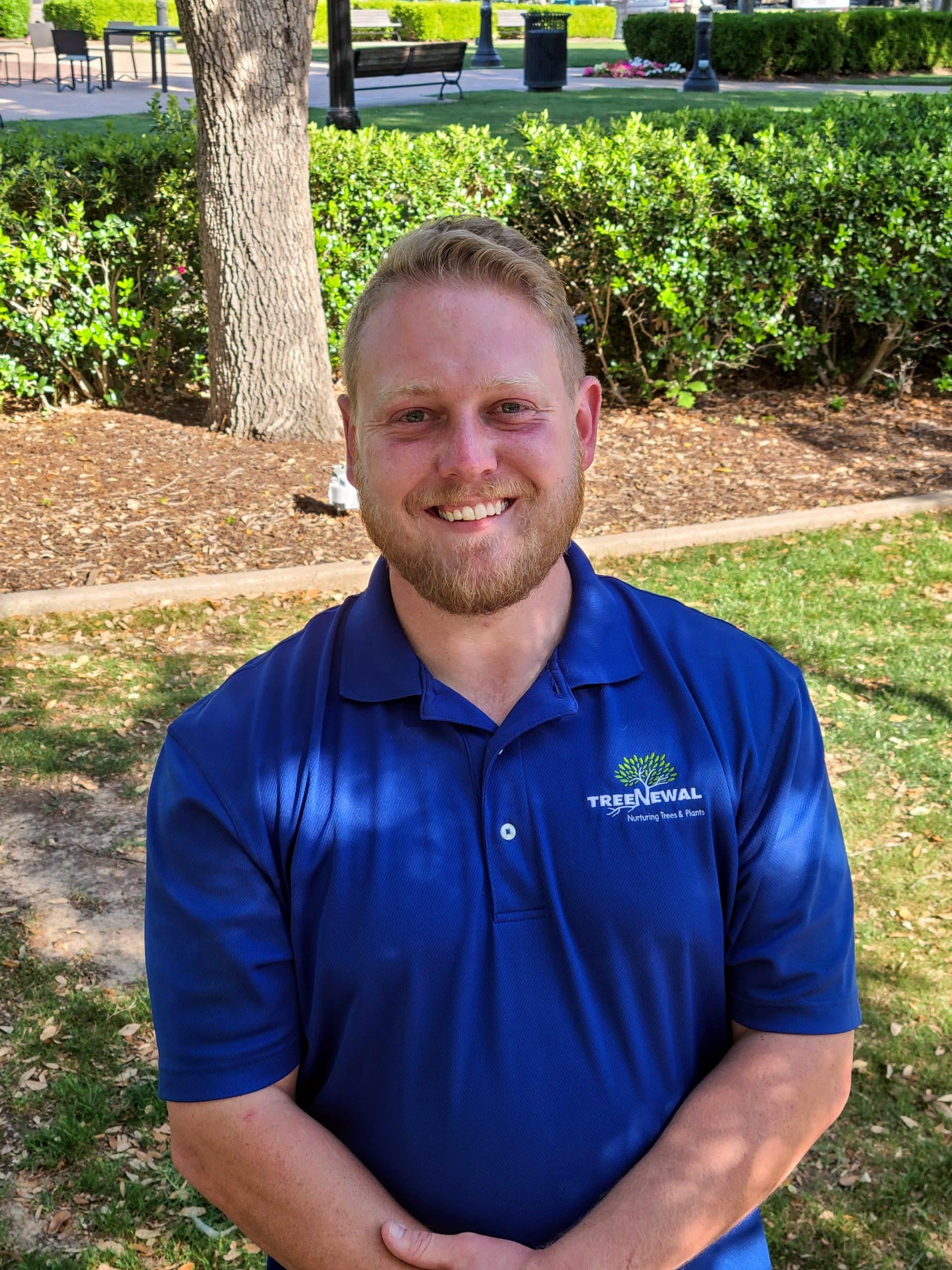
Wesley Rivers
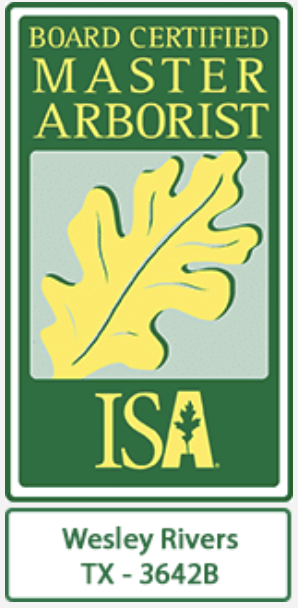
ISA Board Certified Master Arborist
James Allen
ISA Certified Arborist
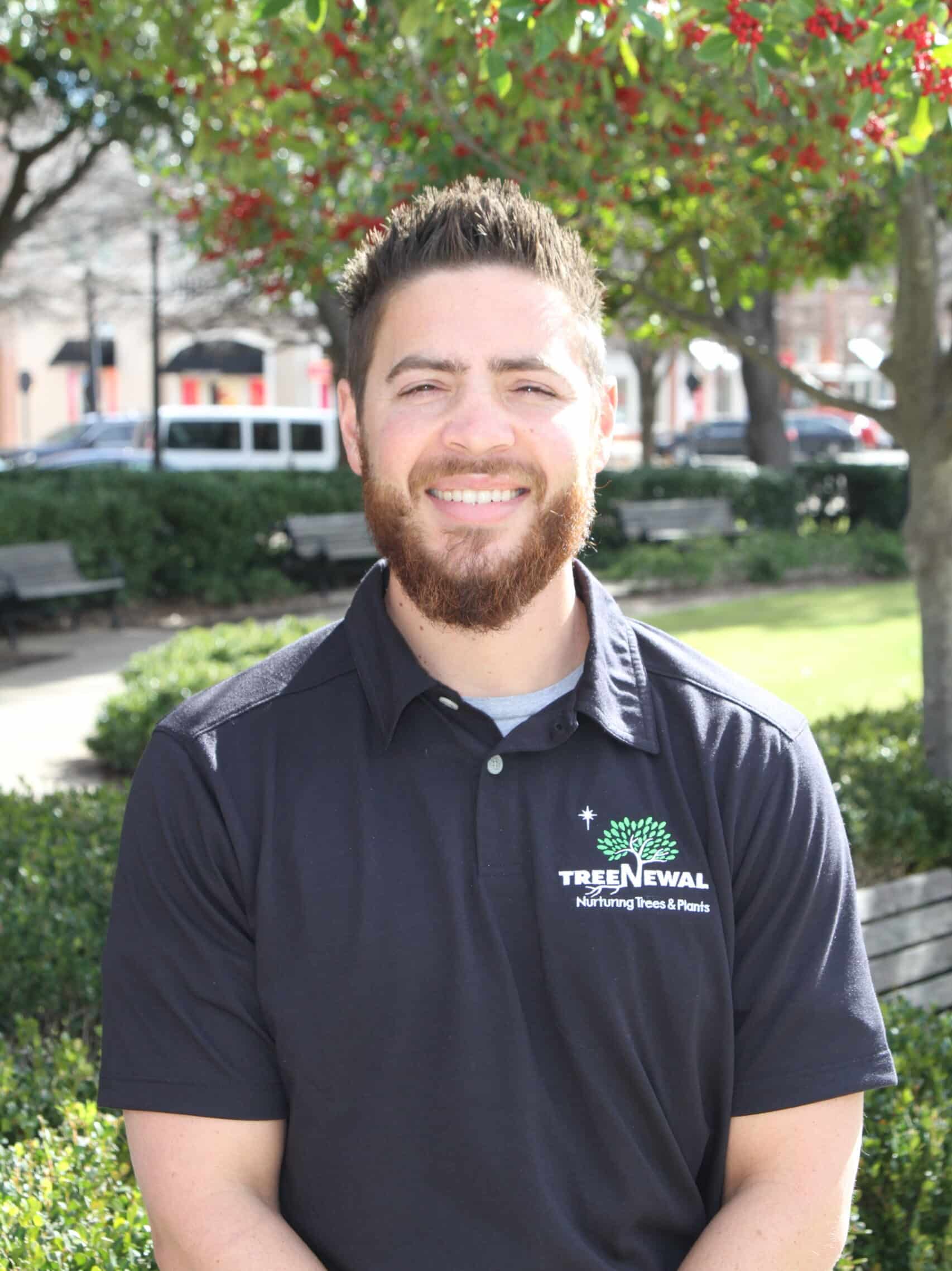
Jason Ibrahim
ISA Certified Arborist
The Highest Arborist Credential
Led by an ISA Board Certified Master Arborist
Owner Wesley Rivers (TX-3642B) holds the ISA's top professional credential, earned by less than 2% of ISA Certified Arborists. That expertise guides every job TreeNewal takes on.
Reviews
What Our Clients Say
★★★★★
"We had exit holes all over an ash in the front yard and assumed it was done for. TreeNewal confirmed borers, treated it, and it has held on two seasons now."
Placeholder A. · Keller
★★★★★
"Our live oak was covered in webs and I was ready to spray everything. Their arborist told us it was webworms, harmless at that stage, and saved us from paying for treatment we didn't need."
Placeholder B. · Colleyville
★★★★★
"Sticky residue all over the patio furniture under our trees. Turned out to be scale. One treatment and it was handled."
Placeholder C. · Flower Mound
4.9 out of 5 ★★★★★
Based on 180+ Google Reviews
Common Pests
Common Tree Insects in Dallas-Fort Worth
Emerald Ash Borer
Wood-boring beetle that kills untreated ash trees. Confirmed in North Texas counties. Preventive treatment is far more effective than treatment after symptoms appear.
Scale Insects
Immobile insects on twigs and leaves that feed on sap and produce sticky honeydew. Heavy infestations cause branch dieback.
Aphids
Fast-reproducing sap feeders that cause sticky leaves and sooty mold. Mostly a nuisance issue, treatable when populations get heavy.
Spider Mites
Not insects but close enough in practice. Thrive in hot, dry conditions and cause stippled, bronzed foliage.
Bagworms and Webworms
Defoliators that build visible bags or webs in the canopy. Cosmetic on established trees, more serious on young or already stressed ones.
Service Area
Serving the Entire Dallas-Fort Worth Metroplex
Local, ISA Certified tree pest management across DFW. If you don't see your city, give us a call, we likely serve it.
SouthlakeKellerColleyvilleGrapevineFlower MoundTrophy ClubRoanokeArgyleNorth Richland HillsDentonFort WorthDallas
FAQ
Common Tree Insect and Pest Questions
Look for exit holes in the bark, sawdust-like material at the base, sticky leaves, stippled or bronzed foliage, chewed leaves, or thinning in the canopy. Many of these overlap with disease and drought symptoms, which is why an assessment matters before you treat anything.
No. Most insects on a tree are harmless or even beneficial, and some damage is cosmetic. We will tell you honestly when the answer is to do nothing.
It depends on the species and how far it has progressed. Borers do their damage under the bark, so trees are often significantly compromised before symptoms show. Early detection and preventive treatment on high-value trees give you the best odds.
Timing depends on the pest's life cycle, not the calendar. Some treatments are most effective in early spring, others in summer or fall. There is never a bad time to have a tree looked at, and we will schedule treatment for when it will actually work.
Assessments are free. Treatment cost depends on the pest, tree size, and method required, from single targeted applications to ongoing protection programs for high-value trees.
Seeing Something on Your Trees? Get a Free Assessment.